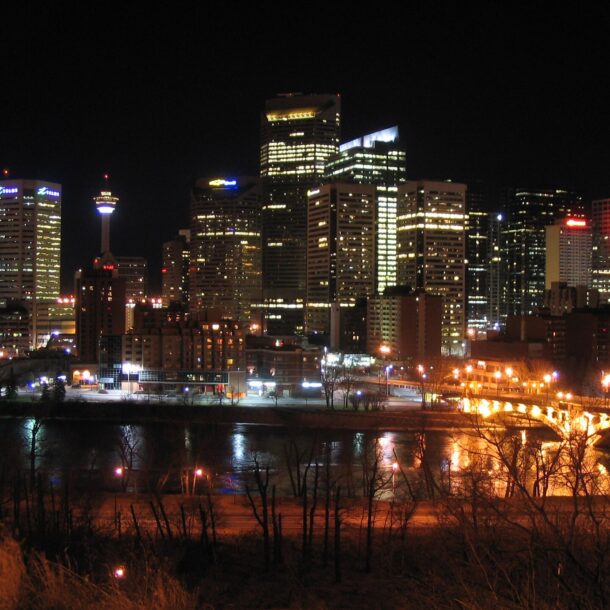


The Icefields Parkway is often described as one of the most beautiful drives in the world. Stretching about 230 kilometres between Lake Louise and Jasper, it follows the spine of the Canadian Rockies past glaciers, turquoise lakes, thundering waterfalls and towering peaks. Starting in Calgary, a road trip to Jasper via the Icefields Parkway is a bucket-list journey for many travellers. This guide covers the route, the best stops, timing and essential safety tips.
For travellers who want comfort and value in one place, Divya Sutra Calgary Hotel has become a trusted favourite in Northeast Calgary.
The Route
From Calgary, drive west on the Trans-Canada Highway through Canmore and Banff to Lake Louise, about two to two and a half hours. At Lake Louise, turn north onto Highway 93 North, the Icefields Parkway, and continue to Jasper. In total, the drive from Calgary to Jasper covers roughly 410 kilometres. Without stops it takes around five hours, but you should plan a full day, or better yet two, to enjoy the scenery.
Park Passes
The Icefields Parkway passes through Banff and Jasper national parks, so a valid Parks Canada pass is required. Buy a daily pass for each person or vehicle as required, or an annual Discovery Pass if you plan to visit several parks.
Must-See Stops
Bow Lake
One of the first highlights north of Lake Louise, Bow Lake reflects Crowfoot Mountain and the Bow Glacier on calm mornings.
Peyto Lake
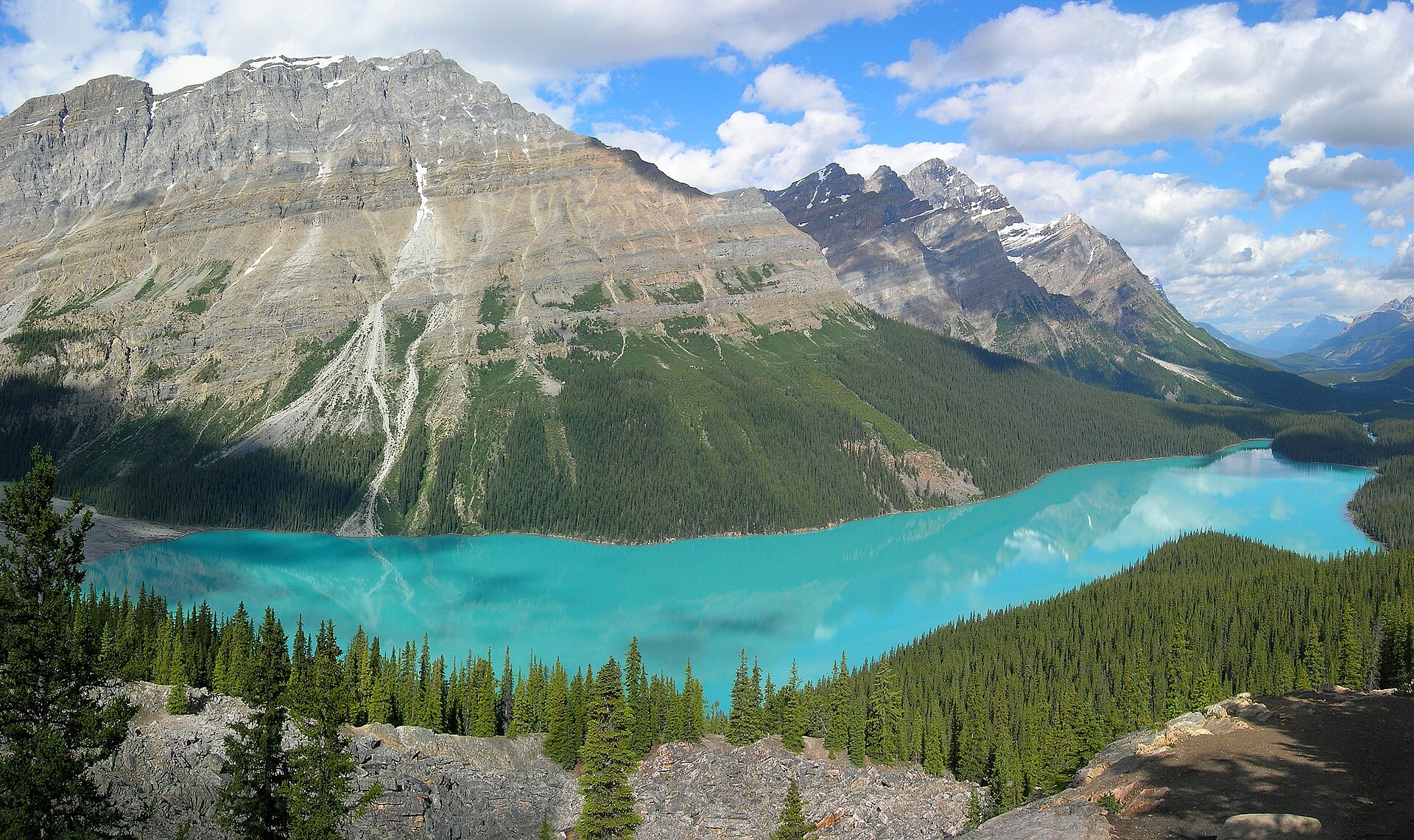
A short walk leads to a viewpoint over Peyto Lake, famous for its striking blue colour and wolf-head shape. It is one of the most photographed spots in the Rockies.
Mistaya Canyon
A brief trail descends to a narrow, sculpted limestone canyon carved by rushing water.
Saskatchewan River Crossing
A seasonal service stop with fuel, food and washrooms, and the only services along much of the parkway. Check opening dates.
Columbia Icefield and Athabasca Glacier
The Columbia Icefield is one of the largest icefields south of the Arctic Circle. You can view the Athabasca Glacier from the road and walk the Toe of the Athabasca Glacier trail, which shows how far the glacier has retreated. Guided glacier tours and the Skywalk have operated nearby in season. Never walk onto the glacier without a guide; crevasses are hidden and dangerous.
Sunwapta Falls
A powerful waterfall a short walk from the parking area.
Athabasca Falls
One of the most impressive waterfalls in the Rockies, where the Athabasca River plunges through a narrow gorge, about 30 minutes south of Jasper.
Arriving in Jasper
Jasper National Park is known for its wildlife, dark skies, lakes and quieter atmosphere compared with Banff. Popular sights include Maligne Canyon, Maligne Lake, Pyramid Lake and the Jasper SkyTram. The area has been recovering from a major wildfire in 2024, so check Parks Canada for current information on services, trails and accommodation before you travel.
When to Drive the Icefields Parkway
Summer and early fall offer the best conditions, with long days and all viewpoints accessible. September brings fewer crowds and golden colours. In winter, the parkway remains open but is remote, with no services, limited cell coverage and frequent closures for snow and avalanche control. Winter tires and emergency supplies are essential, and many travellers avoid the route in winter unless experienced. Spring can still bring snow and ice at higher elevations.
Safety Tips
- Fill your fuel tank in Lake Louise; services are very limited.
- Carry water, snacks and warm layers.
- Expect little or no cell signal for long stretches.
- Watch for wildlife on the road and use pullouts to view animals.
- Never feed or approach wildlife.
- Check road conditions and Parks Canada alerts before leaving.
- Tell someone your travel plans.
Suggested Itinerary
Day 1: leave Calgary early, stop in Banff or Lake Louise and stay overnight in the Lake Louise area or continue north. Day 2: drive the Icefields Parkway with stops at Bow Lake, Peyto Lake, the Columbia Icefield and the waterfalls, arriving in Jasper by evening. Day 3: explore Jasper. Day 4: return to Calgary, either retracing the parkway or looping east through Hinton and Edmonton.
Start and End Your Trip in Calgary
Many road trippers fly into YYC, pick up a rental car and spend a night in Calgary before setting off. Staying near the airport makes it easy to collect your car and hit the road early. Divya Sutra Plaza and Conference Centre offers free parking, a saltwater pool and hot tub to relax before and after a long drive and on-site dining, which is why many travellers call it the best hotel in Calgary for Rockies road trips.
An early, hearty breakfast is essential before a long driving day. Book direct and enjoy a free breakfast hotel in Calgary experience before you set off. Find more trip ideas in the hotel’s Explore Calgary guide.
Wildlife Along the Parkway
The Icefields Parkway is one of the best places in the Rockies to see wildlife. Bighorn sheep and mountain goats often appear on rocky slopes, elk graze in meadows, and black and grizzly bears are sometimes seen near the road in late spring and summer. Caribou live in Jasper National Park but are rare and protected. If you see animals, slow down, use your hazard lights to warn other drivers and pull fully off the road only where safe. Stay in your vehicle and keep a respectful distance.
Photography Tips
Arrive at Peyto Lake and Bow Lake early in the morning for softer light and fewer visitors. Overcast days can make glacier colours look richer. Bring a polarising filter for lakes and a telephoto lens for wildlife.
Divya Sutra Calgary Hotel brings together comfortable rooms, an on-site restaurant and lounge, free parking and free WiFi, so everything you need is under one roof.
Frequently Asked Questions
How long is the drive from Calgary to Jasper?
About 410 kilometres, or roughly five hours without stops. Plan a full day or more.
Is there fuel on the Icefields Parkway?
Only at Saskatchewan River Crossing, which is seasonal. Fill up in Lake Louise.
Can I drive the Icefields Parkway in winter?
It is open but remote, with no services and frequent closures. Winter tires and emergency supplies are essential.
Do I need a park pass?
Yes. A Parks Canada pass is required.
Final Thoughts
The Icefields Parkway is a journey you will remember for a lifetime. Start in Calgary, fuel up in Lake Louise, take your time at the viewpoints and respect the wildlife and weather. Then return to Calgary to rest and relive the views. Choose Divya Sutra Calgary Hotel for a stay that is comfortable, convenient and great value.