

Calgary Chinooks Explained: What Visitors Should Know About the Snow Eater
November 9, 2026
Visit Calgary in winter and you may experience one of the city’s most remarkable weather events. One day, temperatures sit well below freezing with snow on the ground. The next, a warm wind sweeps in from the west, the snow begins to melt and people are walking around in light jackets. This is a chinook, a weather phenomenon that defines life in Calgary and southern Alberta. This guide explains what chinooks are, how they form and what visitors should know.
If you want a stay that feels easy from check-in to check-out, Divya Sutra Calgary Hotel is an excellent choice.
What Is a Chinook?
A chinook is a warm, dry, often strong wind that blows down the eastern slopes of the Rocky Mountains onto the prairies. The name is commonly linked to Indigenous peoples of the Pacific Northwest, and the wind is sometimes nicknamed the snow eater because it can melt or evaporate snow remarkably quickly. Chinooks are most noticeable in winter, when they can raise temperatures dramatically within hours.
How Do Chinooks Form?
Moist Pacific air travels inland and rises over the mountains of British Columbia. As it climbs, it cools and loses much of its moisture as rain or snow on the western slopes. When the now-dry air descends the eastern slopes into Alberta, it is compressed and warms rapidly. This process, known as a foehn effect, produces the warm, dry wind that reaches Calgary. Because the city sits close to the mountains, it is one of the places in Canada that experiences chinooks most often.
The Chinook Arch
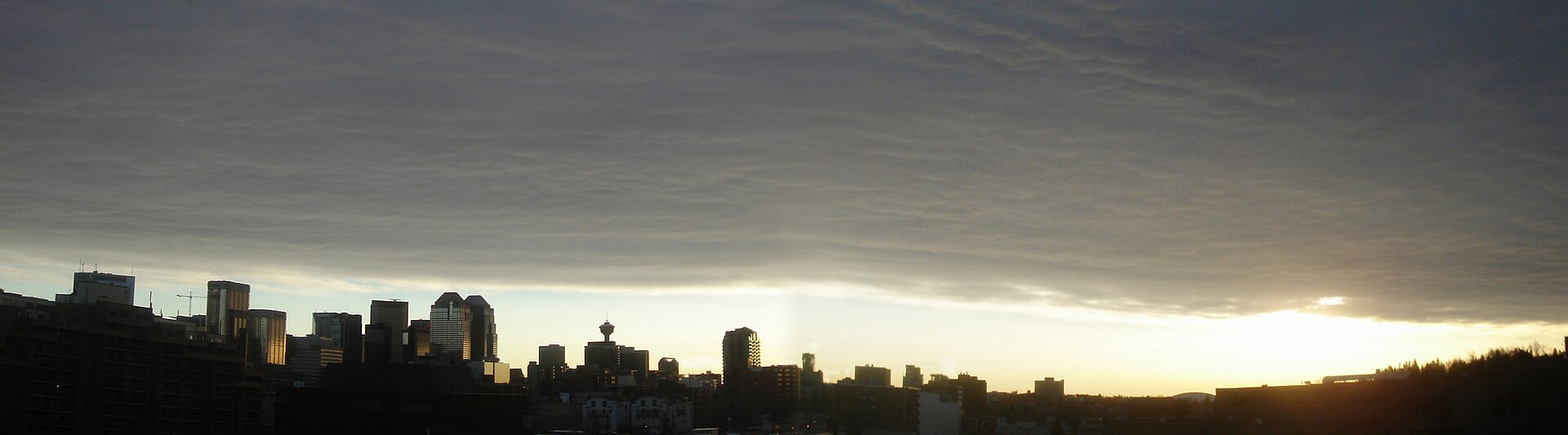
One of the most beautiful signs of an approaching chinook is the chinook arch, a band of cloud that forms over the mountains with clear blue sky beneath it. The arch can glow orange and pink at sunrise and sunset, creating spectacular views from across the city. Photographers love it, and locals often see it as a promise of milder days.
How Much Can Temperatures Change?
Chinooks can bring very rapid temperature increases, sometimes more than 20 degrees Celsius in a single day. Southern Alberta has recorded some of the most dramatic temperature swings in Canada during chinook events. For visitors, it means a winter trip can include both crisp, snowy days and surprisingly warm afternoons.
What Chinooks Mean for Visitors
Pack for both extremes
Bring a warm winter coat, boots, gloves and a hat for cold snaps, but also lighter layers you can wear on mild chinook days. Layering is the key to staying comfortable.
Watch for ice
Melting snow often refreezes overnight, creating icy sidewalks and roads in the morning. Wear footwear with good grip and walk carefully.
Expect wind
Chinook winds can be strong and gusty, especially in exposed areas and along highways. High-sided vehicles and trailers should take care.
Enjoy the sunshine
Chinook days are often bright and clear, perfect for walks along the Bow River, outdoor skating or a trip to the mountains.
Chinooks and Health
Some people report headaches or migraines when chinooks arrive, possibly linked to rapid pressure changes, although research is still mixed. If you are sensitive, stay hydrated, rest and keep your usual medication handy. The dry air can also affect skin and lips, so pack moisturiser and lip balm and drink plenty of water.
Driving During Chinooks
- Watch for black ice when meltwater refreezes, particularly in the early morning and evening.
- Expect strong crosswinds on open highways, including Highway 2 and the Trans-Canada.
- Reduce speed and keep both hands on the wheel in gusty conditions.
- Check 511 Alberta for road conditions and wind warnings.
- Be aware that mountain roads may still be snowy even when Calgary is mild.
Planning a Winter Trip Around Chinooks
Chinooks are unpredictable, so you cannot plan exact dates around them. Instead, plan a flexible itinerary with indoor and outdoor options. On cold days, visit TELUS Spark, Studio Bell, the Central Library or CrossIron Mills. On chinook days, head outdoors to Prince’s Island Park, Nose Hill Park or Fish Creek, or drive to Banff for mountain views. Keep an eye on the forecast and adjust as you go.
Choosing a Winter-Ready Hotel
Whatever the weather, a comfortable hotel makes winter travel easier. Look for an indoor pool and hot tub, free parking close to the entrance and a hot breakfast to start the day. Divya Sutra Plaza and Conference Centre near YYC offers all of these, plus on-site dining, which is why winter travellers call it the best hotel in Calgary for cold-weather stays.
Booking direct makes Divya Sutra a free breakfast hotel in Calgary, so you can fuel up before heading out on a crisp winter morning or a sunny chinook afternoon. For indoor and outdoor ideas, browse the hotel’s Explore Calgary guide.
Chinooks in Calgary Culture
Chinooks are part of Calgary’s identity. Locals joke about wearing shorts in January, and the city’s CF Chinook Centre shopping mall even takes its name from the wind. For many residents, the arrival of a chinook is a welcome break during long winters and a reminder of the city’s unique place at the foot of the Rockies.
Photographing the Chinook Arch
To capture the arch, find a spot with a clear western view, such as Nose Hill Park, Crescent Heights or the top of the Calgary Tower. Sunrise and sunset are best, when the underside of the clouds lights up. Use a wide-angle lens to include the city skyline and the mountains beneath the arch.
One of the best things about Divya Sutra Calgary Hotel is that food and drinks are right on site, with the Divya Satvic restaurant and the Divya Moksha Lounge ready for guests every day.
Frequently Asked Questions
What is a chinook in Calgary?
A warm, dry westerly wind that descends from the Rockies and can raise temperatures rapidly in winter.
How often do chinooks happen?
Calgary experiences chinooks several times each winter, though frequency varies from year to year.
What is a chinook arch?
A band of cloud over the mountains with clear sky beneath, often seen before or during a chinook.
Do chinooks cause headaches?
Some people report headaches during chinooks, but research is mixed.
Final Thoughts
Chinooks make Calgary winters unlike anywhere else in Canada. Pack layers, watch for ice and wind and enjoy the bright, mild days they bring. With a cosy hotel base, you can make the most of every kind of weather. Divya Sutra Calgary Hotel looks forward to welcoming you.